“Any patient stories shared here are composites drawn from my more than 20 years in medical practice. They are not about any single individual, but rather reflect patterns, themes, and experiences I have encountered across many patients over time. Details have been intentionally blended or altered to protect privacy while still illustrating real-world clinical lessons.”.

Allergy Season Is Coming: What Actually Works?
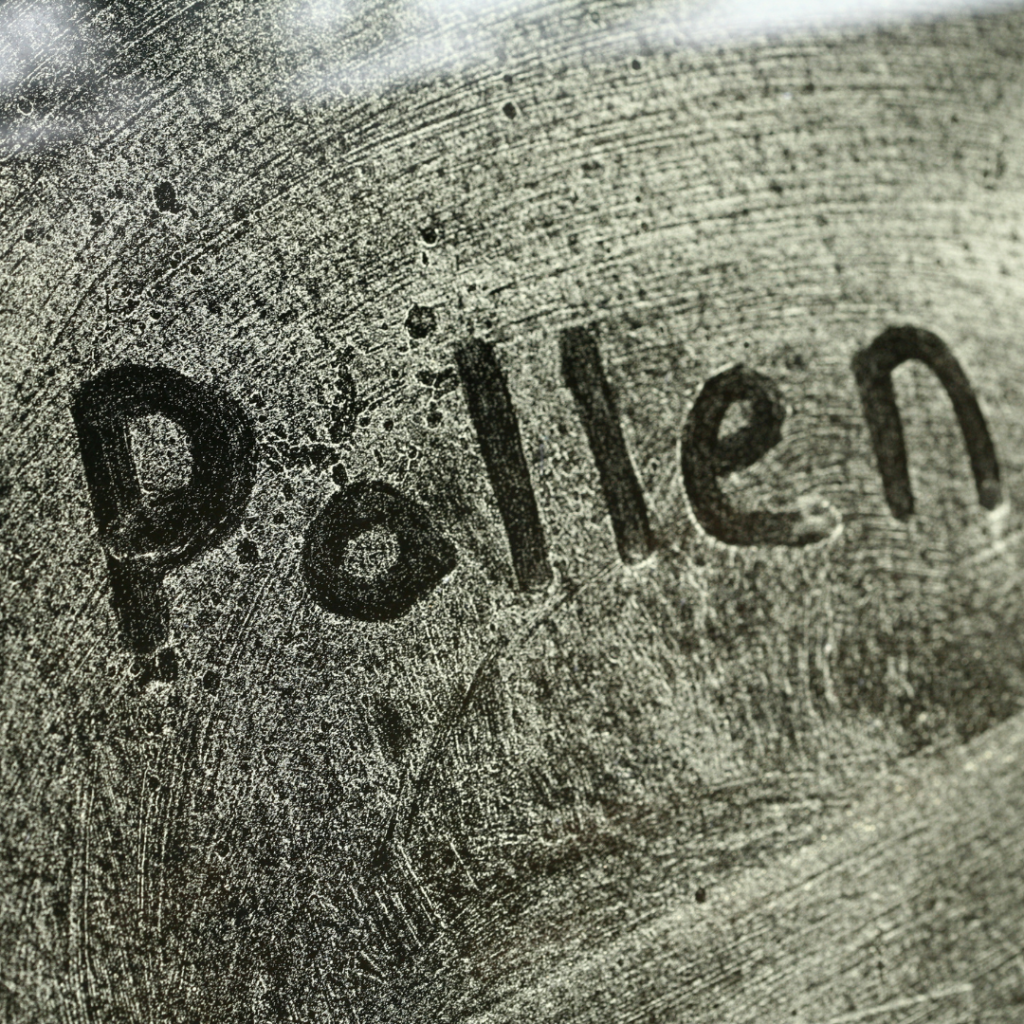
If you live in North Carolina, you know exactly what’s coming. The yellow pollen dust coating your car, the itchy eyes, the sinus pressure, the cough that just won’t quit. I thought moving from Virginia to North Carolina would give me some relief — but the joke was most definitely on me.
Seasonal allergies (allergic rhinitis) affect millions of people every year — and the good news is that we have very effective treatments. The key is starting the right medication at the right time.
Here’s what actually works.


Start Treatment Before Symptoms Peak
One of the biggest mistakes I see is waiting until symptoms are severe.
If you have predictable spring allergies, start treatment 1–2 weeks before peak pollen season.Preventive use works so much better than chasing symptoms once they’ve already taken over.
Antihistamines: Helpful, But Limited
Oral antihistamines — cetirizine, loratadine, fexofenadine — can help with itchy eyes, sneezing, and runny nose. They are less effective for congestion.
Second-generation antihistamines are preferred because they cause less drowsiness. That said, some patients still feel sluggish with cetirizine, so pay attention to how your body responds.
For Eye Symptoms
If itchy, watery eyes are your main complaint:
● Antihistamine eye drops (such as olopatadine) can be very effective
● Artificial tears help flush out pollen and provide quick relief
What About Decongestants?
Oral decongestants like pseudoephedrine can temporarily relieve congestion, but they come with
trade-offs — they may raise blood pressure, increase heart rate, and worsen anxiety or insomnia.
Topical decongestant sprays like oxymetazoline (Afrin) should not be used for more than 3 days.
Extended use causes rebound congestion that can actually make things worse.
When to Consider Allergy Testing
Formal allergy testing may be worth exploring if:
● Symptoms persist despite appropriate treatment
● You need medications year-round
● You’re interested in immunotherapy (allergy shots or drops)
Immunotherapy can significantly reduce your long-term symptom burden — and for the right patient,
it’s life-changing.
Don’t Overlook Asthma
If your seasonal allergies come with wheezing, chest tightness, shortness of breath, or a nighttime cough, asthma may be part of the picture. This is especially important for children and adults with a persistent cough during pollen season. It’s worth a conversation with your physician.

Simple Environmental Strategies
You can’t eliminate pollen, but you can reduce your exposure:
● Shower and change clothes after being outdoors
● Keep windows closed on high pollen days
● Use HEPA filtration if available
● Avoid mowing or yard work when pollen counts are at their highest
Bottom Line
If spring allergies are disrupting your sleep, your focus, or your daily life — you don’t have to just push through it. The right combination of early treatment and targeted therapy makes a real difference.
If you’re not sure where to start, or if over-the-counter options haven’t done the job, let’s create a plan that fits your specific symptoms and medical history.
Spring should mean more time outside — not more time sneezing.

