“Any patient stories shared here are composites drawn from my more than 20 years in medical practice. They are not about any single individual, but rather reflect patterns, themes, and experiences I have encountered across many patients over time. Details have been intentionally blended or altered to protect privacy while still illustrating real-world clinical lessons.”.
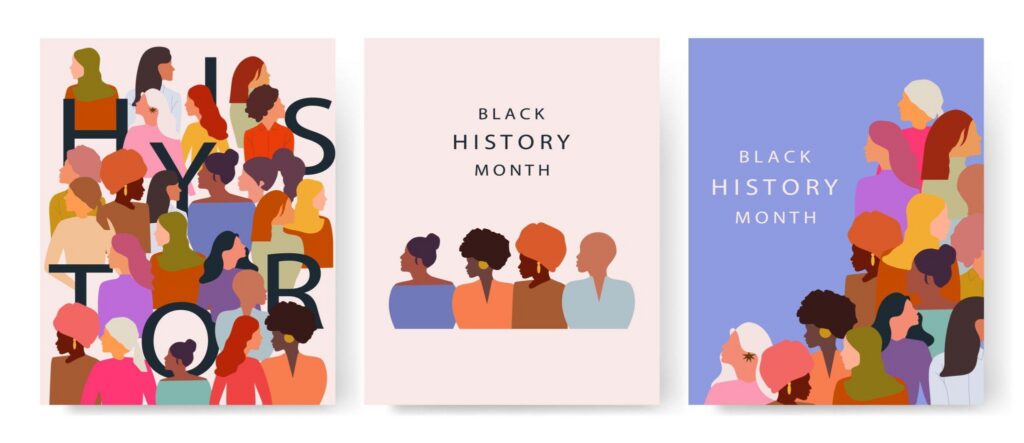
Black History Month Reflection
February is Black History Month. It is a time to celebrate brilliance, innovation, leadership, and resilience.
It is also an opportunity to tell the whole truth.
Black women have long carried families, churches, businesses, and movements. We have been culture-shapers and community stabilizers. We have shown up again and again even when the systems around us were not designed for our thriving.
But strength, when it is constant and unrelenting, has a biological cost.
As a primary care physician focused on health equity, I have witnessed the effects of that cost every week in my exam room for the past 18 years.

The “Strong Black Woman” Narrative and Its Impact on the Body
The cultural expectation to be strong, capable, unshakeable, and self-sacrificing has protected families for generations. It has also conditioned many women to:
- Delay care
- Minimize symptoms
- Normalize exhaustion
- Suppress stress
- Put everyone else first
What we often call “just being tired” or “handling a lot” is frequently chronic physiologic stress. And the body keeps score.
What Chronic Stress Actually Does
When stress becomes persistent—not just situational—the body shifts into prolonged activation of the hypothalamic-pituitary-adrenal (HPA) axis. This causes a sustained cortisol release. Over time, elevated or dysregulated cortisol contributes to:
- Abdominal weight gain
- Insulin resistance
- Hypertension
- Sleep disruption
- Mood changes
- Brain fog
- Increased inflammatory markers
- Worsening perimenopausal symptoms
Add to this the effects of structural inequities, racialized stress, caregiver burden, and workplace pressure, and the cumulative load becomes significant.
This is not weakness.
This is physiology.
The Caregiver Layer
Many midlife Black women are simultaneously:
- Raising children
- Supporting aging parents
- Leading at work
- Managing households
- Navigating community expectationsThe emotional labor alone is substantial. Research consistently shows that Black women carry disproportionate caregiving responsibilities, often with fewer systemic supports.
Yet the messaging remains:
“You’re strong. You’ve got this.”
Strength without restoration is depletion.

Why This Matters in Midlife
Perimenopause and menopause amplify stress responses. Hormonal shifts affect:
- Cortisol regulation
- Sleep architecture
- Insulin sensitivity
- Mood stability
Women who have been operating in high-output mode for decades often find that midlife is when the cracks begin to show:
- Weight that no longer responds to old strategies
- Blood pressure creeping up
- Increased anxiety
- Worsening cycles
- Fatigue that feels different
It is not sudden decline. It is accumulated load.


Black History Is Also Health History
When we honor Black history, we must also acknowledge:
- Generational stress exposure
- Healthcare access disparities
- Environmental inequities
- Economic strain
- The resilience required to navigate all of it
But resilience should not require silent suffering.
Celebration without restoration is incomplete.
What Prevention Looks Like Now
Prevention is not just annual labs.
Prevention is:
- Knowing your blood pressure and metabolic markers
- Screening appropriately and on time
- Addressing sleep as a medical priority
- Building structured recovery into your schedule
- Setting boundaries without guilt
- Seeking care before crisis
Prevention also means redefining strength.
True strength includes maintenance.
A New Definition of Strong
Strong is:
- Getting evaluated when something feels off
- Saying no without over-explaining
- Delegating
- Protecting your sleep
- Prioritizing your annual physical
- Asking for help
Strength is not endurance at any cost. This Black History Month, we celebrate the women who carried us. And we choose a new legacy—one where strength and softness coexist.
Where resilience includes restoration. Where thriving replaces surviving. Your health is not selfish. It is stewardship.

