“Any patient stories shared here are composites drawn from my more than 20 years in medical practice. They are not about any single individual, but rather reflect patterns, themes, and experiences I have encountered across many patients over time. Details have been intentionally blended or altered to protect privacy while still illustrating real-world clinical lessons.”.

Every April, I see National Minority Health Month recognized on social media with the right hashtags and the right statistics. And while awareness matters, I want to offer something more than a post with good graphics this year. I want to offer you the truth, my truth and what it means for the families I care for every day.
The Data Is Not Abstract To Me
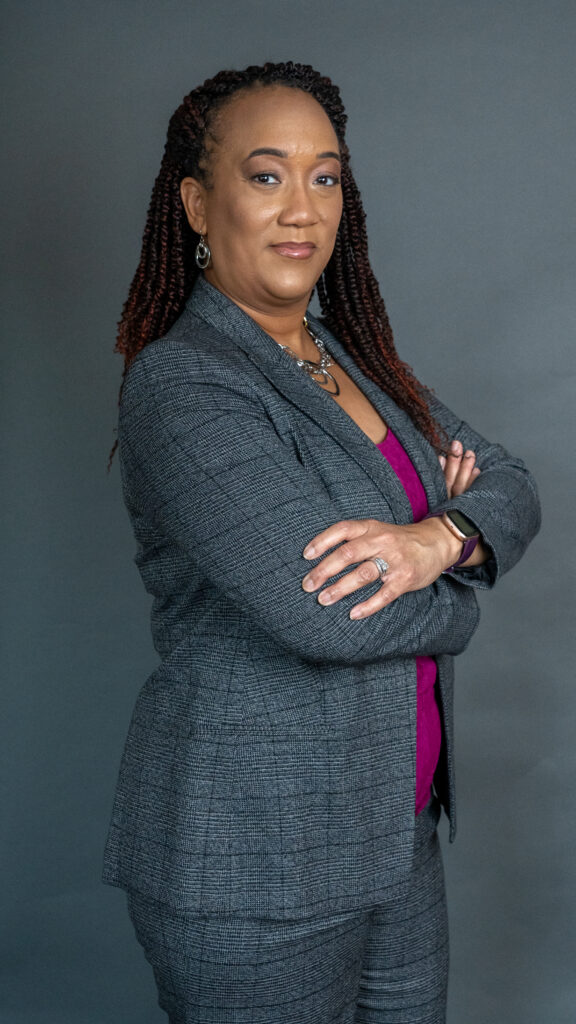
I am a Black woman. I am a physician. I grew up in a family shaped by the very disparities I now treat in my practice.
I watched people I love navigate a healthcare system that was not always designed with them in mind a system where their concerns were sometimes minimized, their pain under treated, and their trust broken long before they ever made it to a clinic. Health disparities were not something I learned about in a textbook. They were something I witnessed at family dinners, at funerals, and in quiet conversations with my mother.
That is why I opened Dominion Health Family Wellness Center. Not just to practice medicine but to practice it differently.



What National Minority Health Month Is Really About
National Minority Health Month was established to raise awareness of the health disparities that affect racial and ethnic minority populations across the United States. But here is what the observance often does not say plainly enough:
• Black Americans have higher rates of hypertension, diabetes, obesity, and maternal mortality than their white counterparts — not because of genetics, but because of systems.
• Hispanic and Latino communities face significant barriers to accessing preventive care, often rooted in language, immigration status, and cost.
• Asian Americans are frequently excluded from health data conversations despite facing unique and distinct health burdens.
• Native and Indigenous communities continue to experience some of the worst health outcomes in the country.
These are not coincidences. They are consequences of under-resourced communities, of implicit bias in clinical settings, of neighborhoods designed without healthy food, green space, or safe housing. Health equity means recognizing that not everyone starts from the same place, and that closing that gap requires intentional, structural effort.
What I See In My Practice
At DHFWC, I care for patients from newborns to seniors. Multigenerational families. Working parents.Grandmothers raising grandchildren. Caregivers who put everyone else first and themselves last.
Many of my patients have had experiences in healthcare that left them feeling dismissed, rushed, or invisible. Some come in carrying decades of distrust not irrational distrust, but earned distrust. My job is not to simply override that with a white coat and a clipboard. My job is to earn the right to be in the room with them.
That looks like taking time. It looks like asking the right questions and actually listening to the answers. It looks like explaining a diagnosis in plain language. It looks like following up. It looks like being a physician who remembers that behind every chart is a person with a story.
What Health Equity Looks Like In Practice
For me, health equity is not a program or an initiative. It is a posture one that I bring into every patient encounter. Here is what it looks like in practical terms:
- Culturally responsive care: Understanding that health decisions happen in cultural contexts and meeting patients within those realities.
- Removing barriers to access: Offering care that is affordable, welcoming, and logistically accessible for working families.
- Preventive care as a priority: Investing in keeping patients well, not just treating them when they are sick.
- Community trust: Being present in the community in churches, schools, and civic organizations because health cannot happen only behind a clinical door.
What This Month Means For You
Whether you are a longtime patient or someone discovering DHFWC for the first time, I want you to know this: your health matters here. Your history matters here. Your questions are welcome here.
This month, I encourage every person reading this to take one step toward their health. Schedule the appointment you have been putting off. Ask the question you have been afraid to ask. Start the conversation with your family about what chronic illness you have been quietly watching and ignoring.
Health equity begins with access but it is sustained by trust. I am committed to being a physician you can trust.
Ready to take that step? DHFWC is accepting new patients. Visit our website to schedule your first appointment.

