


FAQ's
What is diabetes?
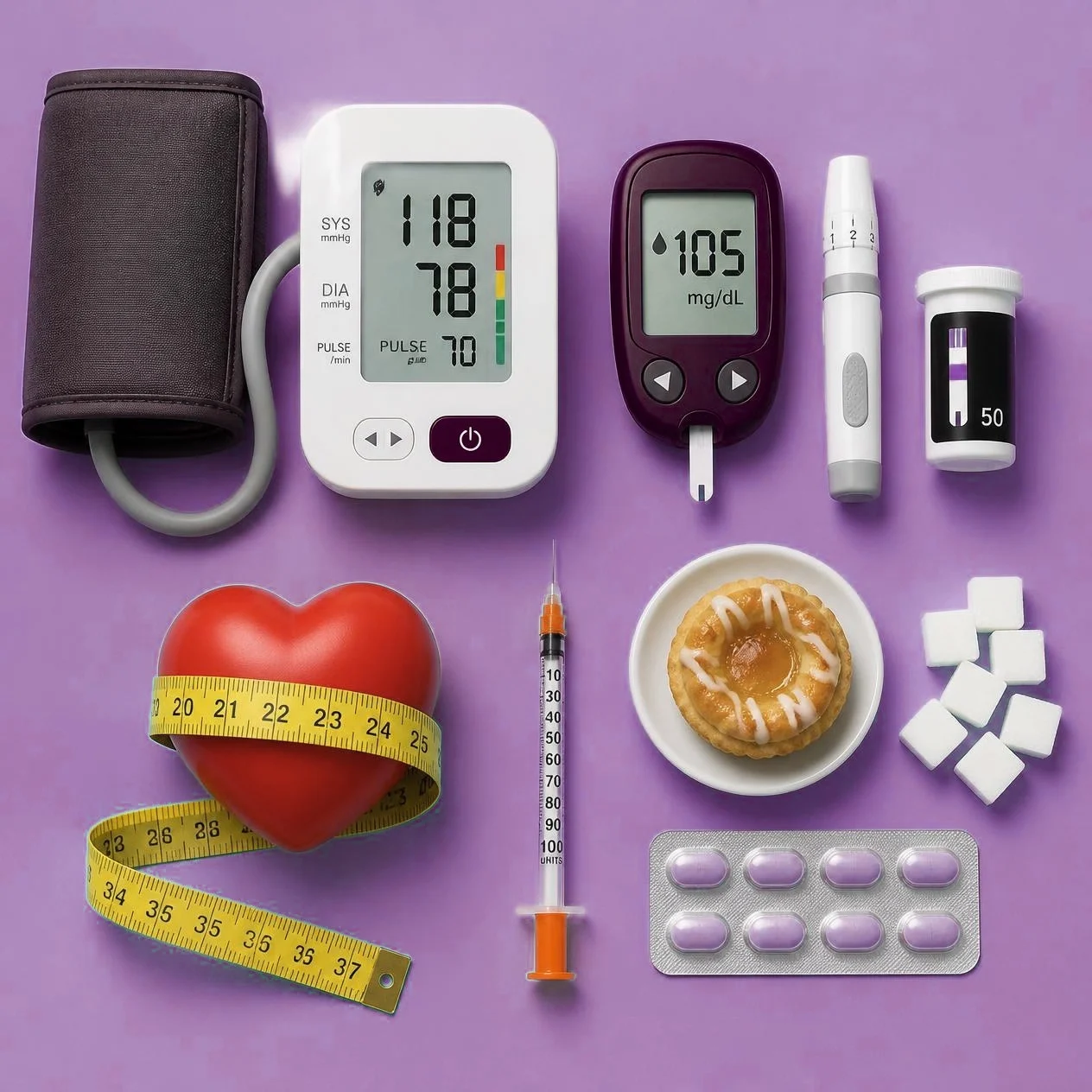
Diabetes refers to chronic illnesses that cause high blood sugar levels. Glucose powers your muscles and brain, but too much increases your risk of life-threatening complications.
Prediabetes: High blood sugar precursor to Type 2; reversible with diet and exercise.
Type 1 Diabetes: Autoimmune condition (~10% of cases) attacking insulin-producing pancreatic cells; requires insulin therapy.
Type 2 Diabetes: Insulin resistance causing glucose buildup; treated with lifestyle changes, oral medications, or insulin.
Diagnosis & Treatment: Diagnosed via an A1C test (greather or equal to 6.5%) or fasting glucose tests. Managed through diet, exercise, weight loss, and medication or insulin therapy.
What is high cholesterol?
Cholesterol is a waxy substance used to build cells, hormones, and vitamin D. Excess cholesterol creates fatty deposits that narrow arteries, increasing heart attack and stroke risks.
LDL (Bad): Deposits cholesterol on artery walls, causing plaque buildup.
HDL (Good): Carries excess cholesterol back to the liver for removal.
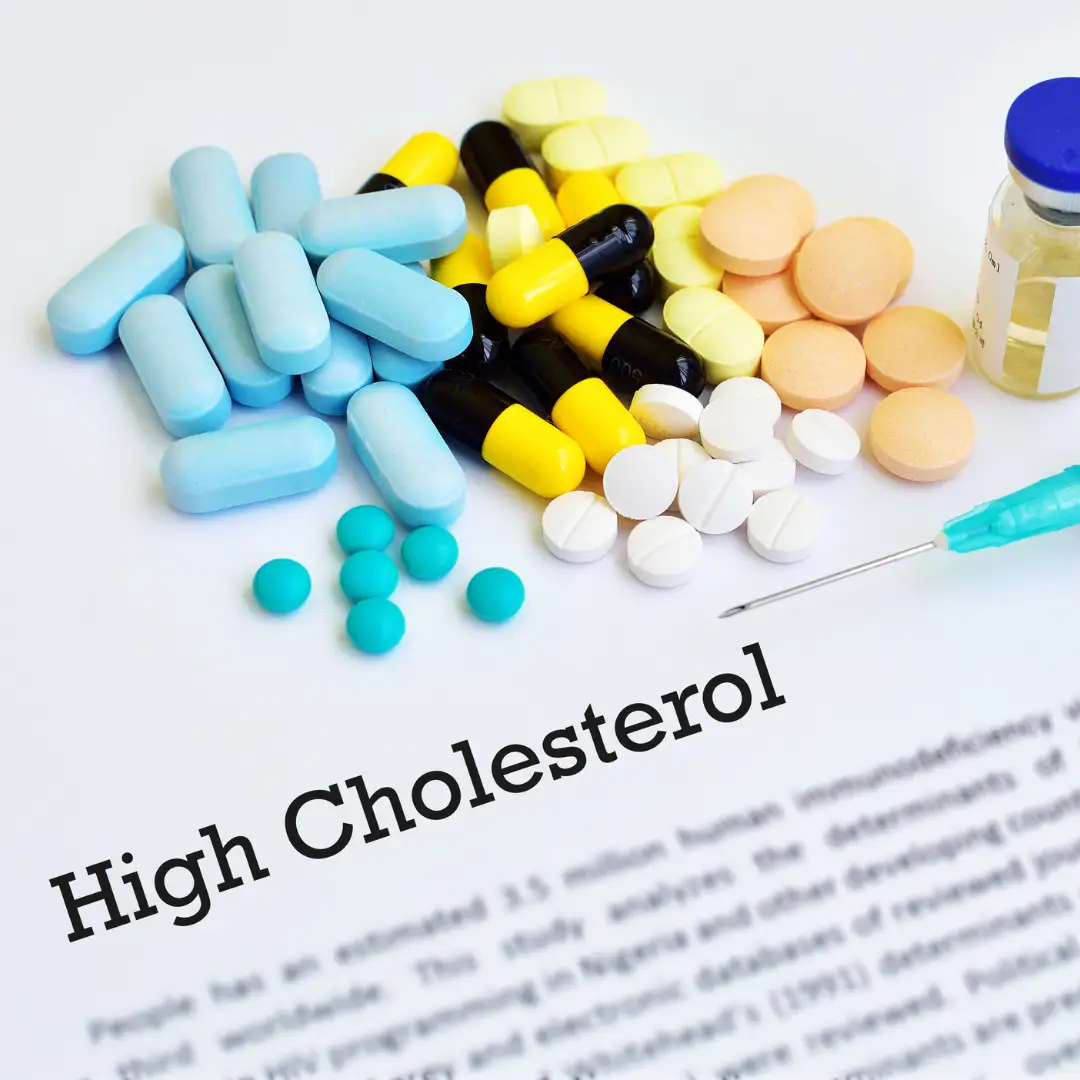
Diagnosis & Treatment: Symptomless; diagnosed via a lipid panel blood test (requires an 8-hour fast). Adults should screen every 5 years. Managed with diet, exercise, smoking cessation, and medications like statins.
What is hypertension?
Hypertension (high blood pressure) occurs when the force of blood against artery walls is consistently too high, forcing your heart to work harder.
Symptoms: Known as a “silent killer,” it rarely shows symptoms until dangerously high (headaches, nosebleeds, shortness of breath).
Risk Factors: High sodium, low potassium, obesity, inactivity, smoking, stress, age, and genetics.
Diagnosis & Treatment: Target blood pressure is below 120/80 mmHg. Managed with dietary adjustments, exercise, smoking cessation, and blood pressure-lowering medications.